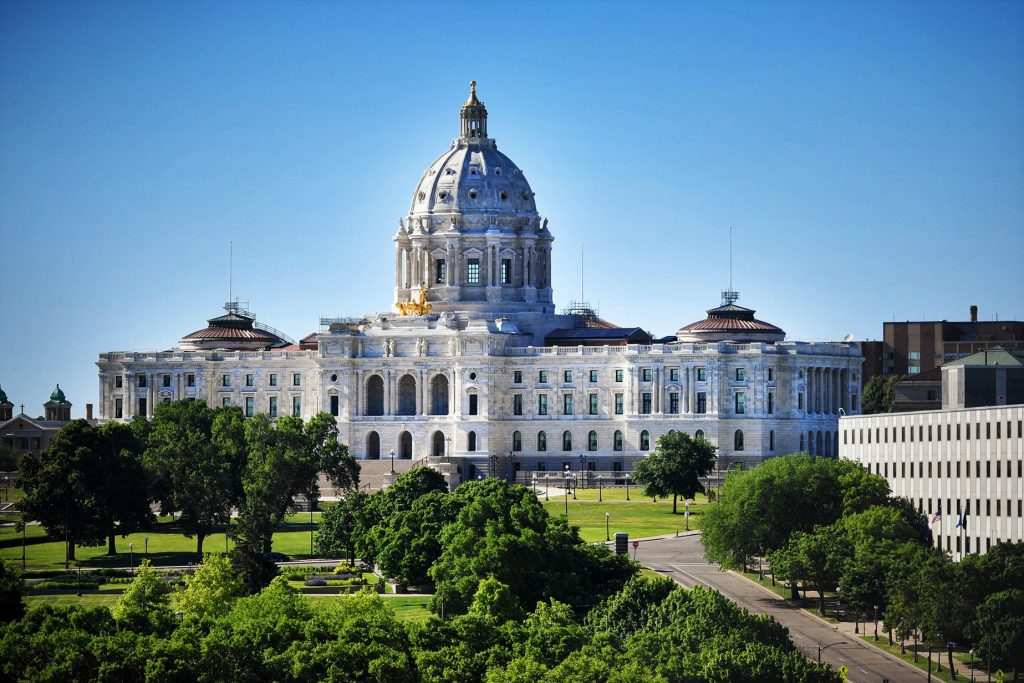
ST. PAUL, Minn. — More than 5,000 lawfully present immigrants in Minnesota will lose their Medical Assistance coverage starting Thursday under a new federal law that narrows which immigration statuses qualify for Medicaid.
The change comes from Public Law 119-21 — also known as H.R. 1, the One, Big, Beautiful Bill Act — which takes effect October 1. It applies to noncitizen adults age 21 or older who are not pregnant and hold statuses including refugees, asylees, Afghan and Ukrainian humanitarian parolees, trafficking victims, battered noncitizens and qualified noncitizen veterans.
Beginning Thursday, federally funded Medical Assistance eligibility for nonpregnant adults 21 and older is limited to U.S. citizens and nationals, lawful permanent residents who satisfy a five-year waiting period, Cuban or Haitian entrants, and migrants from Compact of Free Association nations — Micronesia, Palau and the Marshall Islands. Children under 21 who are lawfully present and people who are pregnant remain eligible regardless of immigration status.
Minnesota's temporary DHS Commissioner, John Connolly, said the state is "fortunate" to have MinnesotaCare, a state-funded backup plan that about 75% of those losing coverage may qualify for — an option he noted other states don't have.
CMS Administrator Dr. Mehmet Oz framed the change as fiscal discipline, saying the administration has "a public mandate, a statutory obligation, and a moral duty to safeguard our federal healthcare programs."
Advocates warn of a harder landing for patients mid-treatment. The change affects people living in the United States legally — state officials stress it is not about whether someone is lawfully present, but whether federal rules continue to allow coverage for their immigration category.
More than 20 states are separately suing over a different visa-related rule, and additional Medicaid changes — including work requirements for some adults — take effect January 1, 2027.
- National Correspondent Network

